
‹

›
‹
›
Place of Origin: shandong
Brand Name: yongsheng
Model Number: YSJSD250
Payment & Shipping Terms
Minimum Order Quantity: 1
Packaging Details: container
Delivery Time: 40days
Payment Terms: L/C,D/A,D/P,T/T,Western Union,MoneyGram
PRODUCT DESCRIPTION
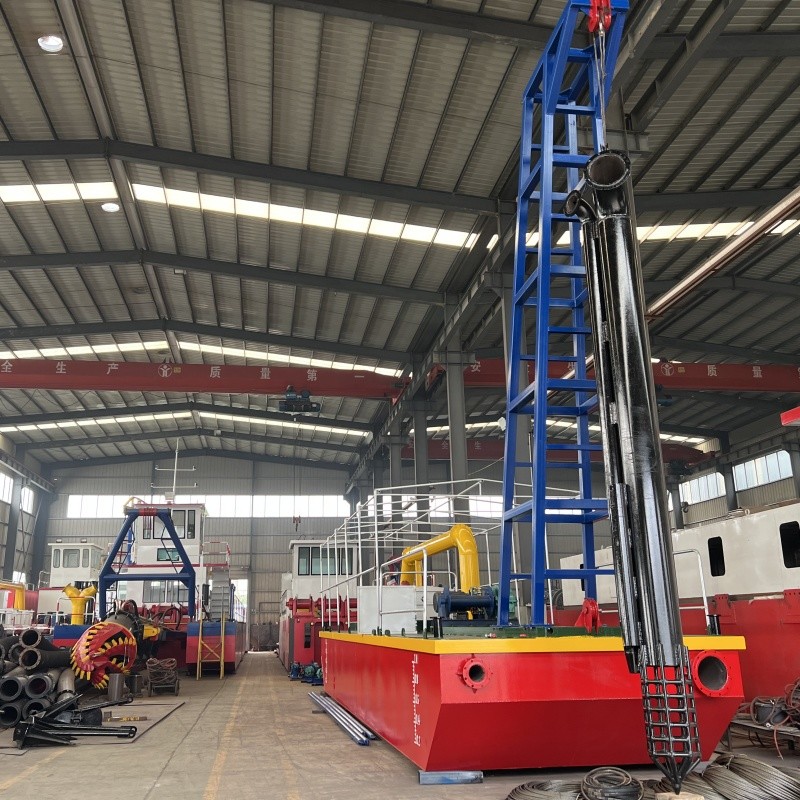
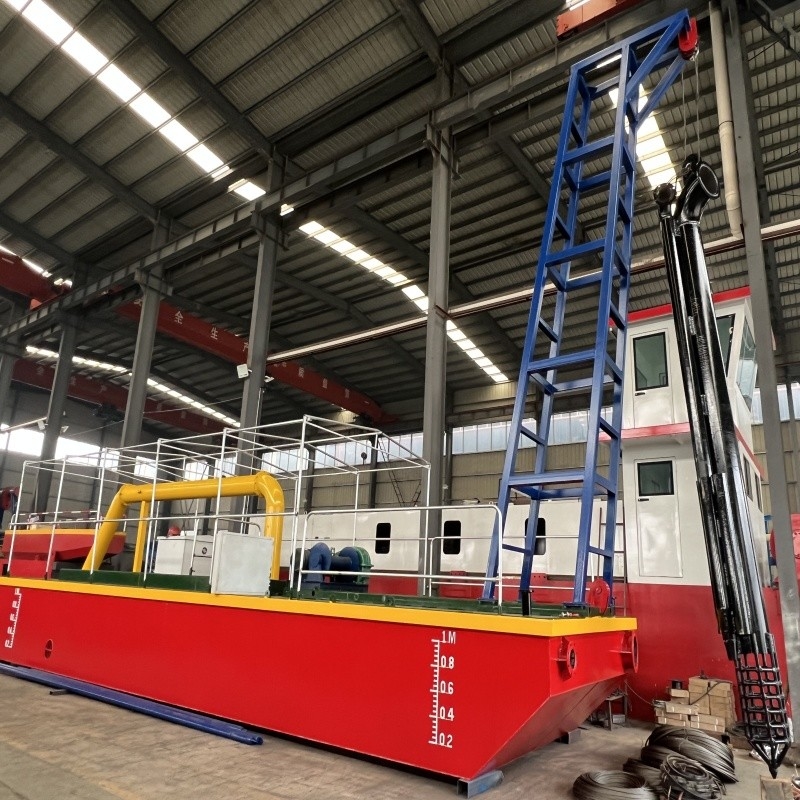
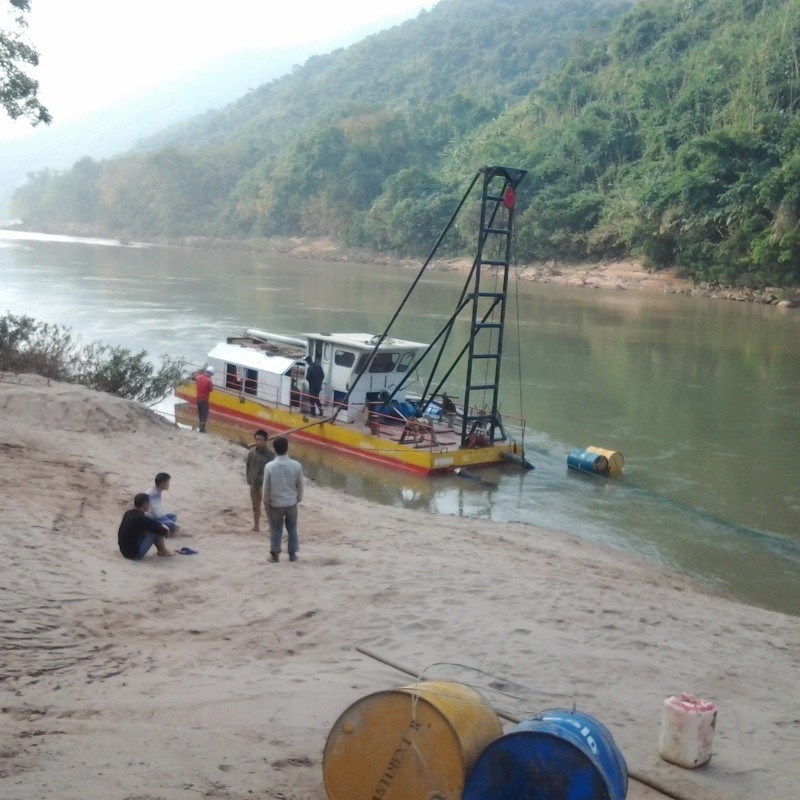
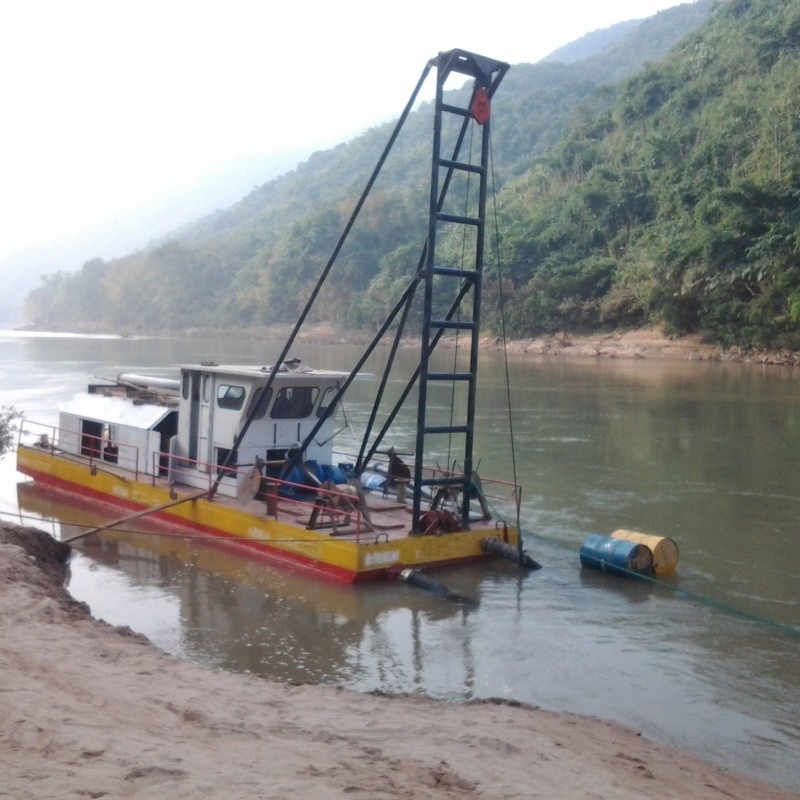
PRODUCT SHOW
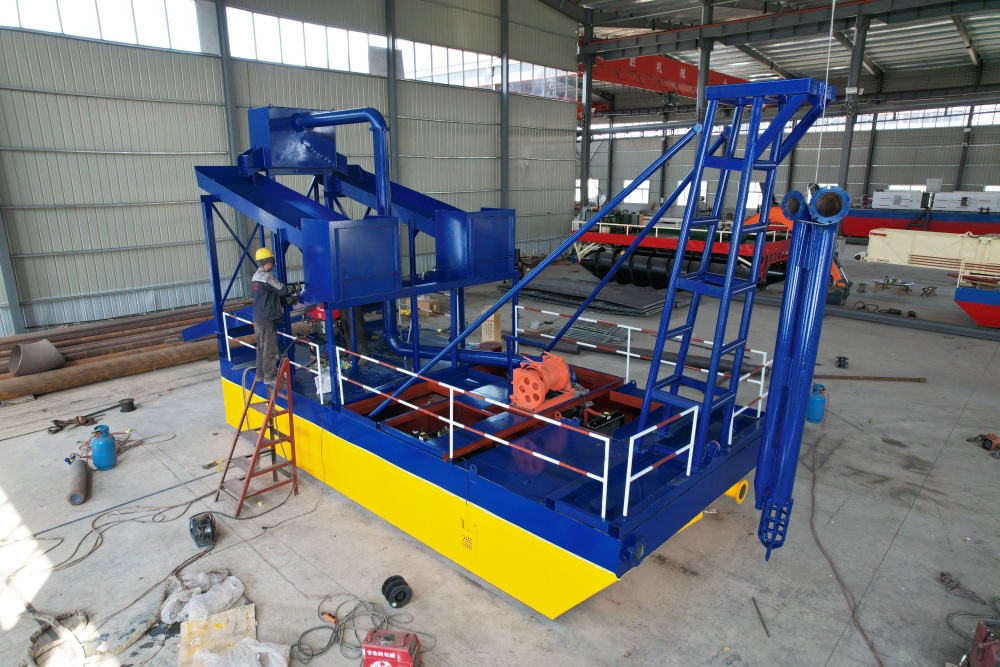
A jet-suction dredger is an engineering vessel that uses high-speed water flow (jet) to impact and destroy underwater mud and sand, and relies on vacuum suction to remove the mud-water mixture. It is an important type of hydraulic dredger, especially suitable for dredging soft silt, fine sand and other non-cohesive or weakly cohesive bottom materials.
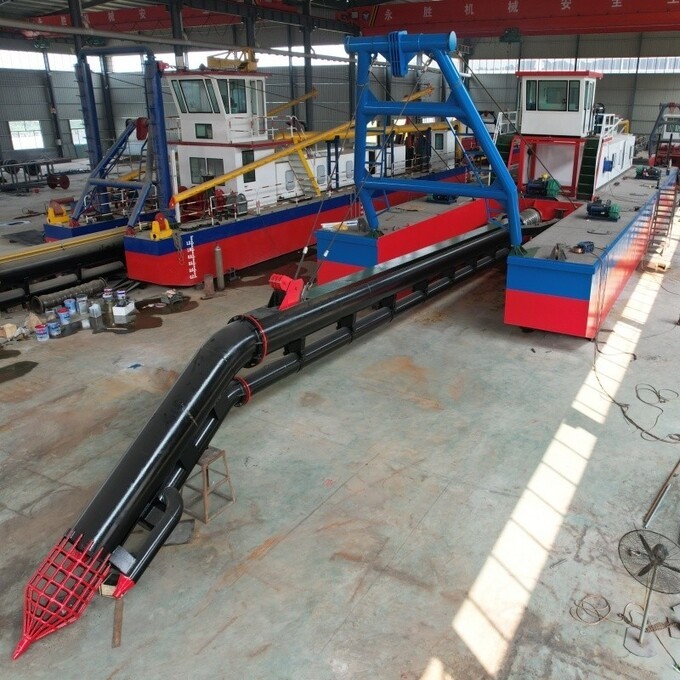
The above technical parameters are for reference only. Specific device configuration depends on the conditions of each project, customer and technical requirements.
"Jet" - High-pressure water jet impact:
- The ship is equipped with a high-power high-pressure water pump to absorb water from the outside of the ship (usually the clearer water in the upper layer of the operating water area) or the circulating water tank inside the ship.
- The high-pressure water is transported through a pipeline to a nozzle (nozzle) installed near the mud suction port (suction head).
- The nozzle concentrates the high-pressure water to eject a high-speed, high-energy water column (jet) directly impacting the mud at the bottom of the river, the seabed or the bottom of the reservoir.
- The kinetic energy of the high-speed jet effectively cuts, disperses, and liquefies (mixes the mud with water to form mud) the mud layer in the target area.
"Suction" - Vacuum suction:
- A powerful mud pump (centrifugal pump) is connected near the mud suction port (usually just above or around the jet nozzle).
- When the mud pump is working, a strong negative pressure (vacuum) is generated at its suction end.
- This negative pressure sucks the mud (a mixture of water and mud) formed by the jet impact liquefaction into the pipeline through the mud suction port.
- The sucked mud is pressurized by the mud pump through the pipeline and discharged.
- Channel maintenance dredging: Remove the naturally deposited silt in ports, waterways, and canals to ensure the navigable water depth.
- Inland river and lake desilting: Control river siltation, desilt reservoirs, and improve water quality.
- Land reclamation: Transport the dredged silt to the designated area through the mud pipe for land reclamation or low-lying filling (suitable soil is required).
- Foundation engineering excavation: Excavate foundation pits for underwater projects such as docks and bridge foundations (soft soil is required).
- Environmental desilting: Remove contaminated bottom mud (anti-diffusion measures and subsequent treatment are required).
Leave A Message
If you are interested in our products and want to know more details, please leave a message here, we will reply you as soon as we can.